
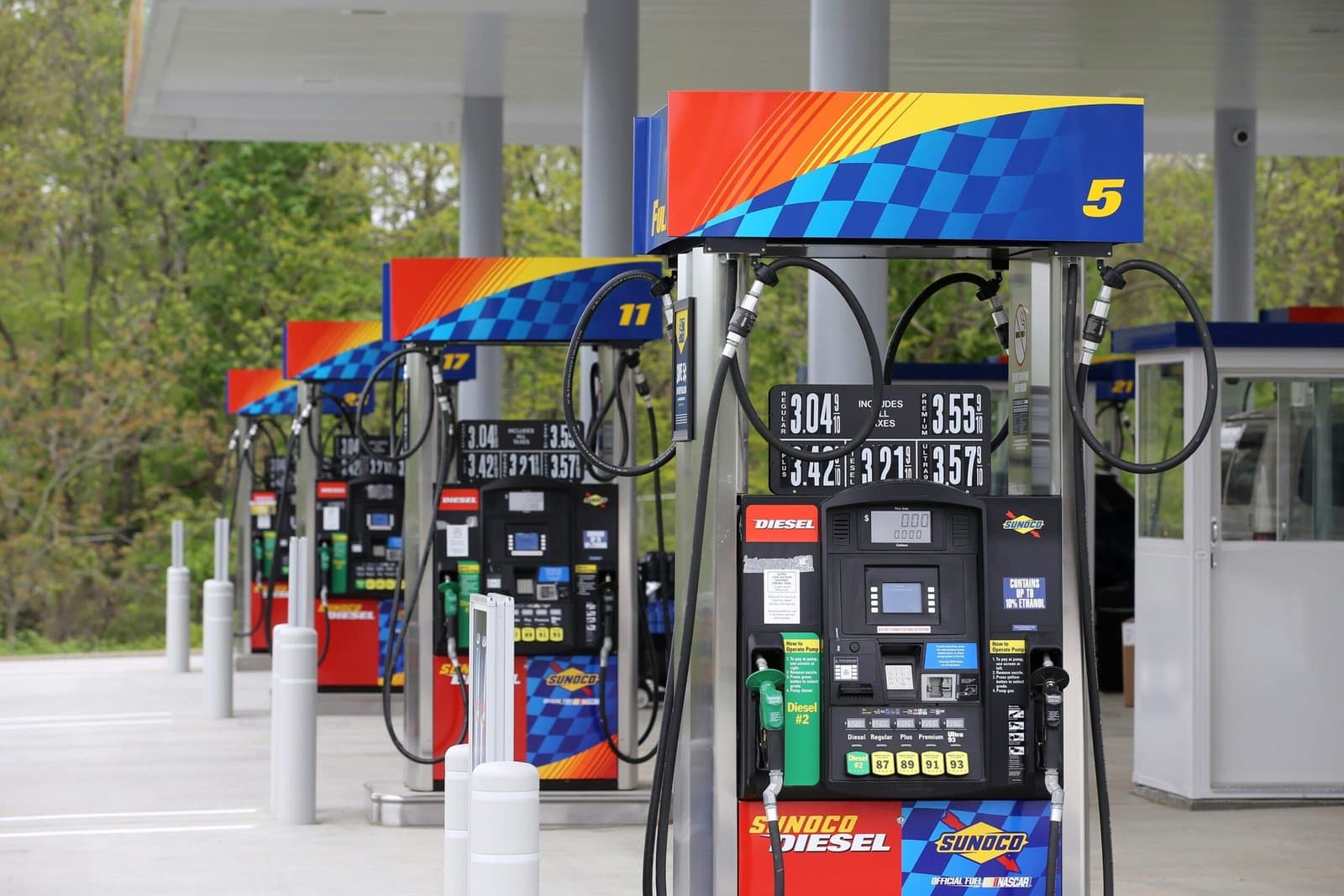
An existing gas station can look straightforward because the pumps, canopy and store are already in place. The research challenge is understanding how the business operates today and which assumptions would change under new ownership or a revised concept.
Reconcile fuel and store activity separately
Start with monthly records rather than a single annual sales total. Request the available fuel-volume summaries, inside-sales categories, operating hours and explanations for closures or unusual trading periods. Ask how the seller defines each measure and whether fuel taxes, discounts or other pass-through amounts are included.
A useful review compares operating records with the underlying supporting documents. Differences should be explained before the numbers become the starting point for a forecast. A sales figure without a clear period, unit and definition is difficult to evaluate.
Build a physical-records checklist
Fuel retail also requires attention to the property and equipment. Suggested items to request include:
- Available tank and piping information, installation history and equipment records.
- Inspection, maintenance and repair documentation.
- Existing environmental reports and correspondence available to the seller.
- Current site plan, driveway layout and delivery access.
- Proposed changes to the store, pumps, food offer or car wash.
EPA's underground storage tank questions and answers explain the federal UST framework and the role of implementing agencies. Use the appropriate state or local agency and qualified environmental professionals to establish what applies to the property. A market study does not replace their work.
Test what changes after acquisition
Historical performance belongs to a particular operating setup. Different hours, staffing, branding, product selection or access conditions can change the customer proposition. List each proposed change beside the evidence supporting it and the cost information still required.
For example, adding prepared food is more than a new sales line. The plan should account for the space, equipment, operating process and customer demand that the concept needs. Treat the proposal as a separate assumption until those questions have answers.
End with a reconciled baseline and a written change schedule. This gives everyone a clearer way to distinguish existing activity from the proposed opportunity. Learn about gas station feasibility studies or send FDS the available records to discuss the research scope.