Corridor & demand
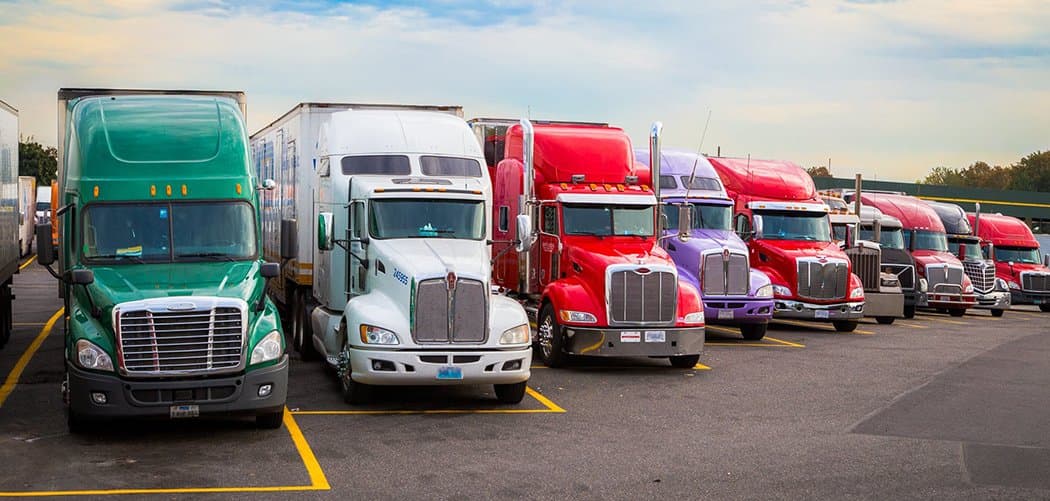
Heavy-truck traffic, highway movements, diesel capture and parking demand establish the relevant market opportunity.
TRUCK STOP & TRAVEL CENTER · FEASIBILITY RESEARCH
Assess highway-oriented development through heavy-truck demand, diesel volume, access, parking and driver amenities. FDS evaluates the distinct revenue and site requirements of a truck stop or travel center.
THE QUESTIONS THAT MATTER
Before committing to a site or an operating plan, test the assumptions that will drive the project’s performance.
A CLOSER LOOK AT THE OPPORTUNITY
Industry-specific research connects site conditions and market evidence to the financial picture.
Heavy-truck traffic, highway movements, diesel capture and parking demand establish the relevant market opportunity.
Interchange position, large-vehicle access, fuel lanes, parking and circulation need to work together at the proposed site.
Truck-oriented competitors and their parking, fuel and amenities frame the proposed travel center’s positioning.
Convenience retail, QSR, truck wash or service and driver amenities are evaluated in relation to the project concept.
Development costs and revenue assumptions support long-term modeling, debt-service coverage, breakeven and sensitivity analysis.
The executive summary brings together the project overview, key assumptions and feasibility conclusion. The agreed scope reflects the project and its information requirements.
Share your lender’s requested scope when you enquire. Study requirements vary by project and financing arrangement.
BEFORE YOU GET STARTED
Heavy-truck traffic, highway movements, diesel capture and parking demand establish the relevant market opportunity.
Share the site address, project concept and any available site plans, operating information or lender scope. FDS can use these details to define the engagement.
Request a quote with your project details. Scope, available information and project complexity determine the proposed fee and schedule.
RELATED PROJECTS
MOVE FORWARD WITH CLARITY