
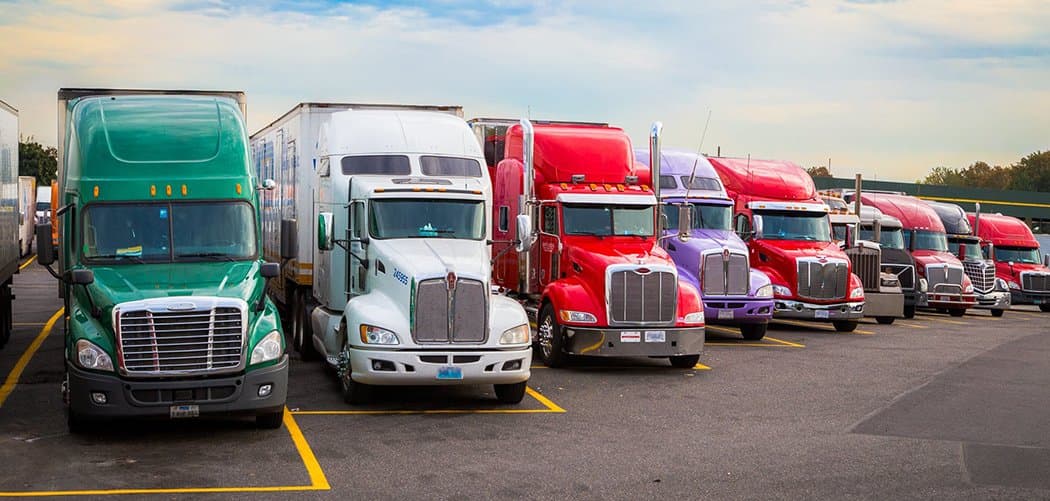
For a truck stop, the relevant question is not simply how many vehicles pass nearby. The site must serve the right commercial traffic, allow practical access and provide enough space for the proposed mix of fueling, parking and driver services.
Ask what the traffic count measures
Request the count location, collection period, direction of travel and available vehicle classification. A count from another interchange or a combined total for both directions may not describe the traffic that can conveniently reach the site.
The FHWA Traffic Monitoring Guide distinguishes traffic measures and discusses adjustments used with short-duration observations. For a proposed travel center, that means a raw count should retain its context. Total vehicle traffic and truck traffic are different inputs; neither directly establishes diesel sales.
Walk through the complete driver journey
Review the site from highway exit to return trip. Suggested questions include:
- Can a driver identify the entrance in time to use it?
- Which turns or median restrictions affect arrival and departure?
- How do fueling queues interact with parking movements?
- Where do fuel deliveries, service vehicles and passenger cars circulate?
- Can the proposed layout accommodate the intended vehicle types?
Have the appropriate transportation and design professionals verify geometry and access assumptions. A marketing diagram is not evidence that the final layout will work.
Separate parking demand from fueling demand
Drivers may park without purchasing fuel, fuel without staying overnight, or visit only for food and facilities. Describe those customer groups separately before estimating activity. The same visit should not become several unrelated customer counts in the forecast.
Review competing facilities by the services they actually provide, their route convenience and their observed constraints. An apparent gap in parking supply is a research question until supported by suitable observations and local context.
Choose an evidence-based next step
Prepare a corridor map, the available classified traffic data, a preliminary site layout and a competitor-service table. Identify which uncertainty matters most: access, parking layout, diesel demand, amenity demand or development scope.
That package makes the feasibility discussion more focused. See truck stop and travel center studies for the broader relationship between corridor demand, physical capacity and the proposed business model.